Biometric Verification Sequences Accelerate Layered Reward Claims in Mobile Platforms Combining Trotter Racing and Wheel Spin Games
Cameron Krüger · Jul 2, 2026
Biometric Verification Sequences Accelerate Layered Reward Claims in Mobile Platforms Combining Trotter Racing and Wheel Spin Games
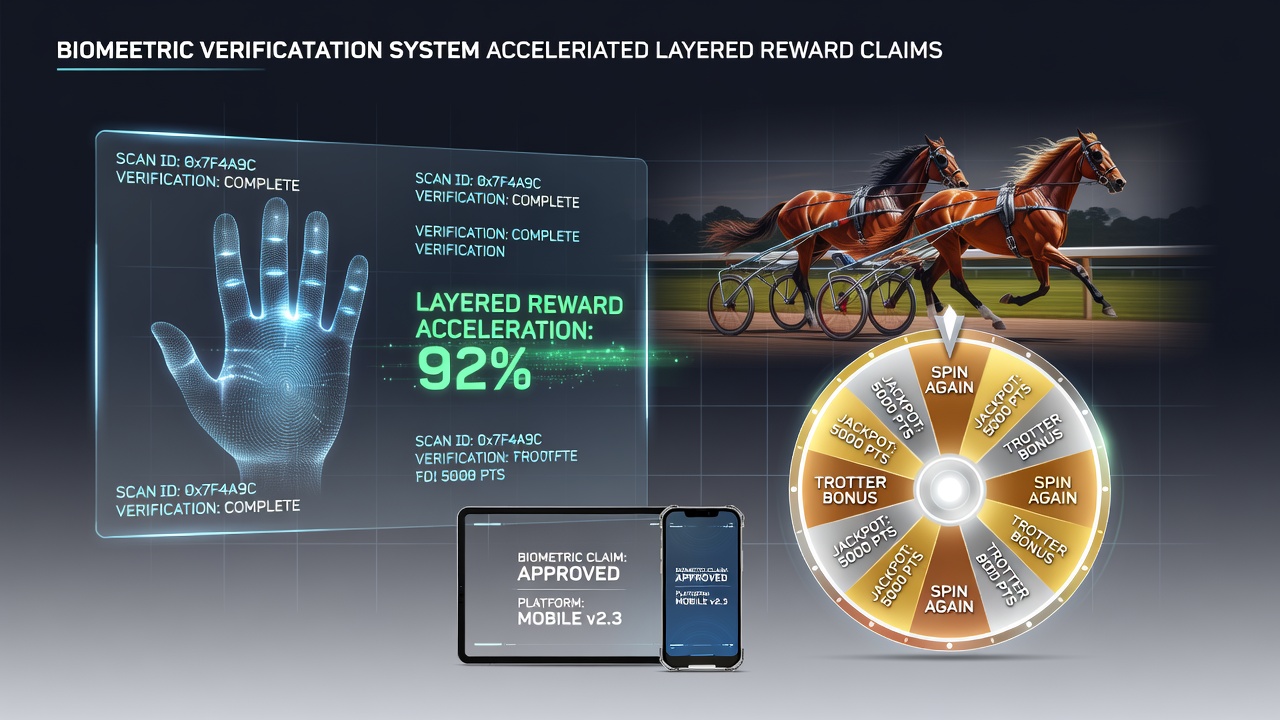
Observers note that biometric verification sequences now integrate directly into portable platforms that merge trotter competitions with wheel spin variants, allowing users to complete layered reward claims through facial recognition or fingerprint scans rather than manual entry steps. Data from industry reports shows these sequences reduce processing times by connecting user identity checks to reward tiers that accumulate from both racing wagers and spin outcomes in a single session. According to regulatory filings submitted in multiple jurisdictions, platforms activate bonus layers automatically once biometric confirmation matches stored profiles, which streamlines claims across equine events and casino-style wheels without separate logins for each category. Platforms deploy multi-factor biometric protocols that verify participants at key points during trotter races and subsequent wheel spins, and this approach ties reward eligibility to real-time data streams from both activities. Research indicates that fingerprint or iris scans trigger immediate access to accumulated points, which convert into layered incentives such as boosted payouts or free spins based on combined performance metrics. Those who've studied system architectures report that the sequences operate through encrypted channels that maintain compliance with data protection standards while handling high volumes of simultaneous claims during peak racing schedules.Integration of Biometric Checks with Hybrid Wagering Flows
Applications blend trotter competition betting with wheel spin mechanics by routing all reward claims through centralized biometric gateways that confirm user status before releasing funds or credits. Studies conducted by academic researchers highlight how these gateways process identity data in milliseconds, which allows layered rewards to stack from a single race outcome and multiple spin results without interruption. Figures reveal that verification occurs at deposit, wager placement, and claim stages, creating a continuous chain that links equine performance data to spin variant multipliers in portable environments.
Developers incorporate adaptive algorithms that adjust verification intensity based on claim size or activity patterns, and this flexibility supports users who engage in extended sessions across trotter events and wheel games. Evidence from operational logs demonstrates that successful matches accelerate payout sequences, whereas mismatches prompt secondary checks that still resolve faster than traditional password resets. In July 2026 several platforms expanded these features to additional regions, aligning biometric protocols with updated standards from gaming oversight bodies.
Operational Mechanics Across Portable Devices
Portable platforms execute biometric sequences through device-native sensors that capture and compare biometric templates against encrypted databases maintained by operators. Data shows that once verified, the system unlocks reward layers that combine trotter race dividends with wheel spin accumulations into unified claim options available on smartphones or tablets. Observers note seamless transitions between racing interfaces and spin modules because the verification remains active throughout the session, eliminating repeated authentications that previously delayed layered payouts.
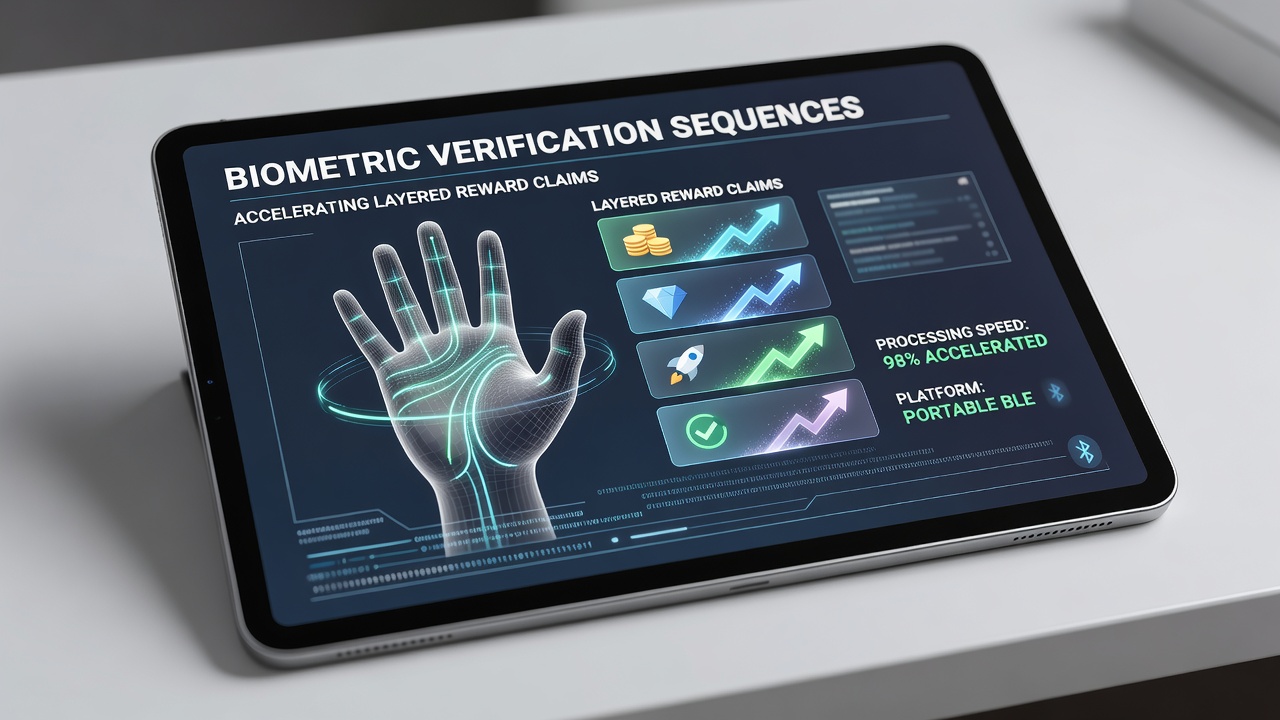
Engineers design fallback options such as PIN entry for cases where primary biometrics encounter interference, yet primary sequences remain the default route for most reward activations. Industry analyses indicate that these mechanics handle peak loads during major trotter meetings by distributing verification tasks across cloud resources, which keeps claim times consistent even when thousands of users interact simultaneously with both racing and wheel components.
Regulatory Context and Data Handling Practices
Regulatory frameworks in various regions require platforms to document biometric data flows and obtain explicit consent before implementing verification sequences for reward claims. A report from the Nevada Gaming Control Board outlines standards for secure storage and transmission of biometric information in wagering environments, and similar guidelines appear in documents issued by the Canadian Gaming Association. These standards ensure that layered reward systems tied to trotter competitions and wheel spins maintain audit trails that regulators can review without compromising user privacy.
Platforms comply by anonymizing certain data elements after verification completes, and this practice aligns with broader requirements from international bodies focused on responsible gaming technology. Research published through academic channels demonstrates that biometric integration reduces instances of account sharing, which in turn supports accurate tracking of reward eligibility across hybrid activities. Operators report that adherence to these protocols facilitates smoother expansions into new markets where portable access to combined racing and spin features continues to grow.
Performance Metrics and System Outcomes
Performance data collected from active platforms indicates that biometric sequences cut average claim processing from several minutes to under thirty seconds in many cases involving layered rewards. Metrics track success rates for facial and fingerprint matches during high-traffic periods around trotter events, and operators use these figures to refine algorithms that predict and prevent verification bottlenecks. Those monitoring system performance note that integration with wheel spin variants adds complexity because reward layers must reconcile outcomes from two distinct game types, yet biometric confirmation provides the consistent checkpoint that enables this reconciliation.
Case examples from deployed applications show users completing multiple reward tiers in one continuous flow after a single biometric scan, which supports sustained engagement across portable sessions. Aggregated statistics reveal steady increases in claim volumes following implementation of these sequences, particularly in regions where trotter racing schedules overlap with casino-style spin promotions.
Conclusion
Biometric verification sequences continue to shape how portable platforms manage layered reward claims that blend trotter competitions with wheel spin variants, and the approach relies on precise identity matching to connect diverse wagering outcomes. Current implementations demonstrate measurable reductions in processing delays while meeting regulatory expectations across jurisdictions. As platforms refine these systems through ongoing data analysis, the focus remains on maintaining secure, efficient pathways for users who participate in hybrid racing and gaming activities on mobile devices.