Charting Interaction Flows That Optimize Entry Points for Rewards in Smartphone-Based Equine and Casino Betting
Cameron Otto · Jun 20, 2026
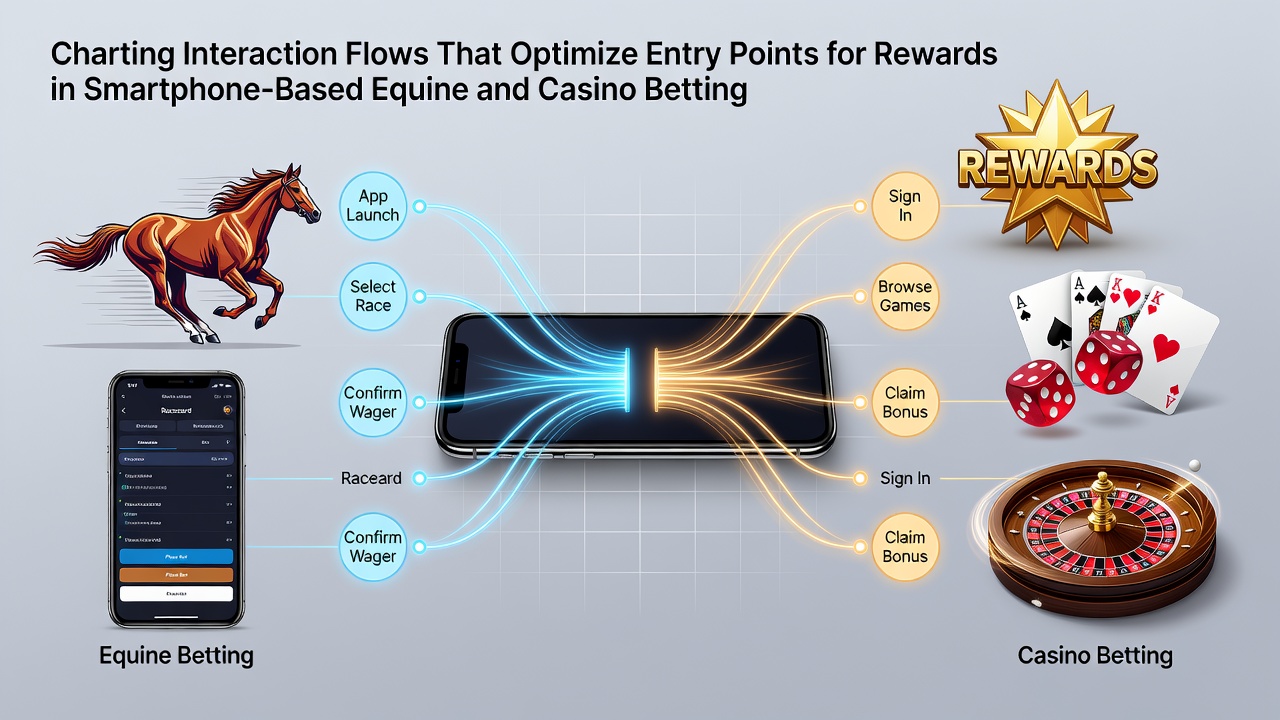
Charting Interaction Flows That Optimize Entry Points for Rewards in Smartphone-Based Equine and Casino Betting
Developers in the mobile betting sector map detailed interaction sequences that guide users from initial login through selections in horse racing and casino environments toward reward activations at precise moments. These sequences rely on data patterns collected from session behaviors, where entry points for bonuses or promotions align with user actions such as wager placement or game transitions. Industry reports indicate that optimized flows reduce drop-off rates by aligning incentives with natural decision points in combined equine and table game platforms.
Mapping Core User Pathways in Hybrid Applications
Smartphone applications that merge equine betting with casino options typically begin with a dashboard displaying upcoming races alongside slot or table game thumbnails. From this starting screen users select an activity, and the system tracks the path taken to determine when a reward prompt appears. Data from platform analytics reveal that users who view multiple race options before switching to casino spins respond better to entry bonuses triggered after the third selection rather than immediately upon login. Such timing stems from observed engagement spikes, where prolonged browsing correlates with higher acceptance of promotional offers.
Additional branches in these flows account for live updates during races or real-time casino rounds. When a user places an equine wager the interface may route them to a confirmation screen that includes a conditional reward for adding a casino element, such as a matched spin. Observers note that these conditional routes maintain session continuity while introducing cross-category incentives without disrupting the primary activity.
Identifying High-Value Entry Points for Reward Delivery
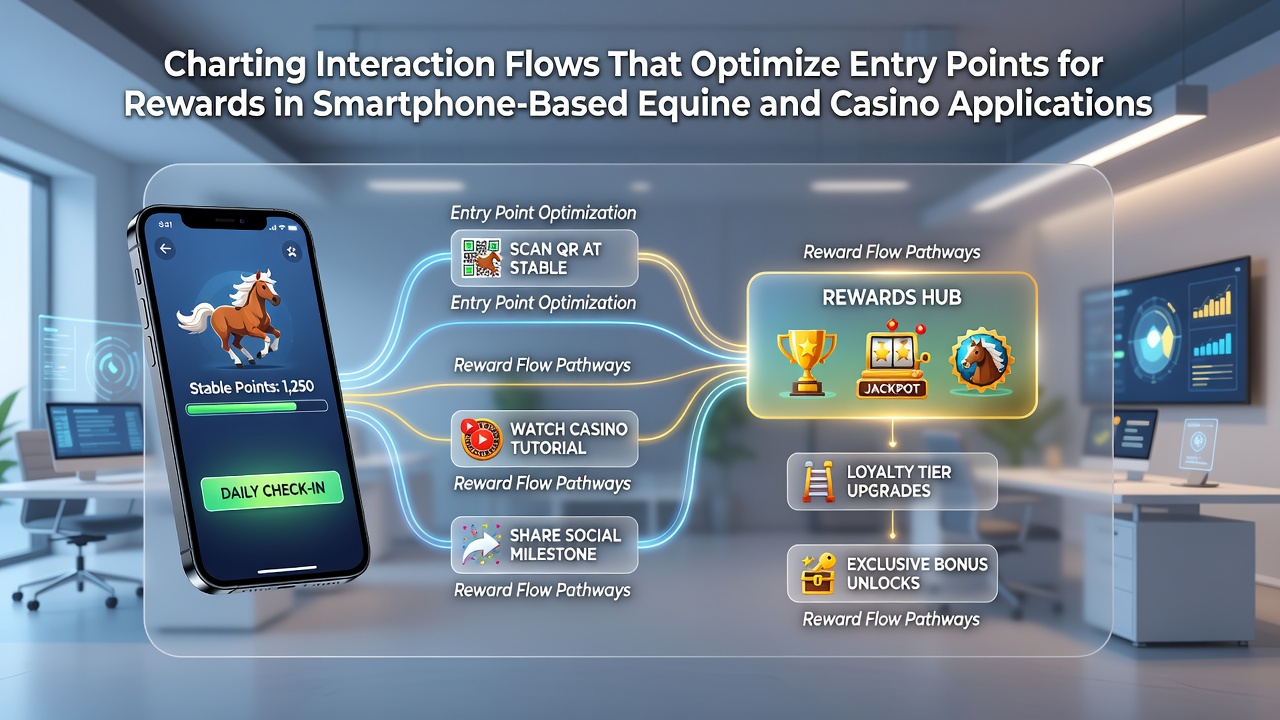
High-value entry points emerge at transitions between equine adn casino sections, where users exhibit peak attention according to heat map studies of app interfaces. Researchers have documented that prompts delivered right after a race result display or following a casino payout achieve conversion rates above average, because users remain in an active decision state. In contrast, rewards placed during initial loading screens show lower uptake, as attention focuses elsewhere.
June 2026 updates to several major platforms incorporated dynamic flow adjustments based on time-of-day patterns. Morning sessions, for instance, favor equine-focused rewards while evening hours shift toward casino table incentives. These adjustments draw from aggregated user data across regions and demonstrate how temporal variables refine entry point selection without requiring manual intervention from operators.
Integrating Regulatory Data into Flow Design
Platform designers incorporate guidelines from bodies such as the American Gaming Association when structuring reward sequences. These guidelines emphasize clear disclosure of terms at the moment of reward presentation, which integrates directly into the interaction flow rather than as a separate menu item. Compliance checkpoints appear after users reach an entry point but before reward activation completes, ensuring the sequence remains transparent.
Reports from the Australian Gambling Research Centre further inform flow architecture by highlighting regional differences in preferred reward types. Australian users, for example, show stronger responses to free spin entries following equine bets, while North American cohorts engage more readily with deposit-match rewards at casino transition points. Designers therefore build modular flow segments that adapt based on detected user location.
Testing and Refining Flow Efficiency
A/B testing protocols evaluate variations in entry point placement across user cohorts. One test compared reward offers immediately after equine bet confirmation against those delayed until after a casino game preview, and results indicated the delayed option increased overall session duration by measurable margins. Teams iterate on these findings by adjusting trigger thresholds in real time, using session length and category switch frequency as primary metrics.
Feedback mechanisms embedded within teh applications capture user responses to reward prompts at different stages. Aggregated responses allow refinement of flow logic, such as repositioning a bonus notification from post-race screens to pre-race selection interfaces when data shows earlier placement yields higher engagement. Continuous iteration keeps the interaction sequences aligned with evolving user patterns observed through 2026.
Conclusion
Effective charting of interaction flows centers on precise alignment between user actions and reward triggers within smartphone applications that combine equine and casino betting. Data-driven mapping, regulatory integration, and iterative testing establish entry points that maintain engagement across both categories. These approaches continue to evolve with new platform capabilities and regional insights emerging through mid-2026.