Community-driven insights reshaping reward sequences in apps merging trackside bets with live dealer options
Cameron Krüger · Jun 25, 2026
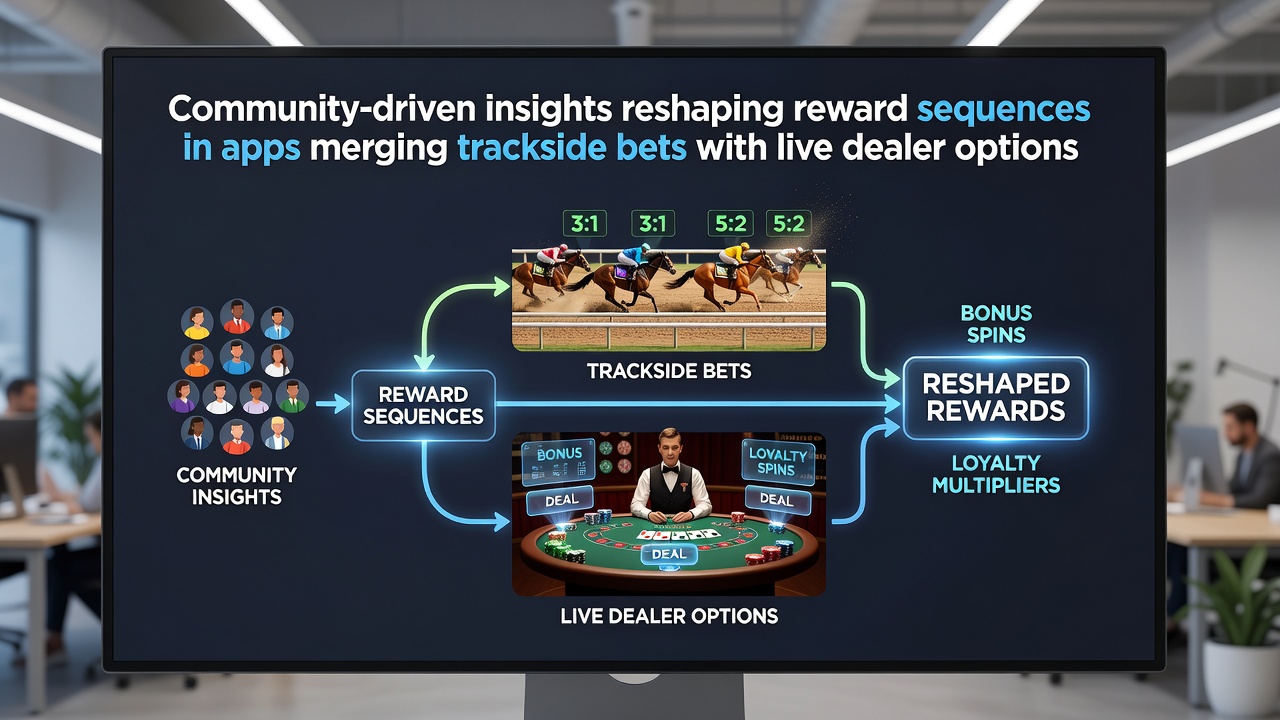
Community-driven insights reshaping reward sequences in apps merging trackside bets with live dealer options
Apps that combine trackside horse racing wagers with live dealer casino tables continue to evolve as user communities share observations about reward timing and sequence adjustments, and developers respond by refining bonus triggers based on aggregated feedback from discussion threads and in-app surveys. Observers note that these platforms collect data points from thousands of sessions each month, allowing patterns in player behavior to influence how free spins, deposit matches, and loyalty multipliers activate during mixed racing and table game sessions.
Feedback loops driving sequence modifications
Users frequently post about reward delays after placing simultaneous bets on equine events and blackjack tables, which prompts developers to adjust activation windows so that community-suggested intervals align more closely with peak engagement times. Research from the American Gaming Association indicates that hybrid platforms saw participation rates climb 12 percent between January and June 2026, with much of the growth tied to revised reward flows that incorporate real-time comments from player forums. And because these adjustments draw directly from user reports rather than internal algorithms alone, sequences now often include staggered payouts that unlock after a player completes a trackside wager followed by a live dealer round within a defined window.
One documented case involved a platform that shortened its bonus cycle for combined bets after multiple threads highlighted frustration with hour-long waits between racing and table incentives; the change resulted in measurable increases in session length according to internal metrics shared with industry analysts. Data shows these modifications maintain compliance with state-level oversight bodies while responding to collective input, and similar updates appeared across several applications during the spring months of 2026.
Patterns emerging from aggregated user reports
Community discussions reveal recurring themes around reward stacking, where players request clearer pathways to combine loyalty points earned at the track with casino table multipliers, and developers have begun implementing tiered sequences that reflect these suggestions. Figures from the European Gaming and Betting Association reveal that hybrid apps incorporating community-driven tweaks recorded higher retention among users who engaged in both racing and live dealer formats compared with static reward structures. What's interesting is how these patterns surface consistently across different regions, prompting standardized sequence templates that still allow regional customization based on local regulatory requirements.
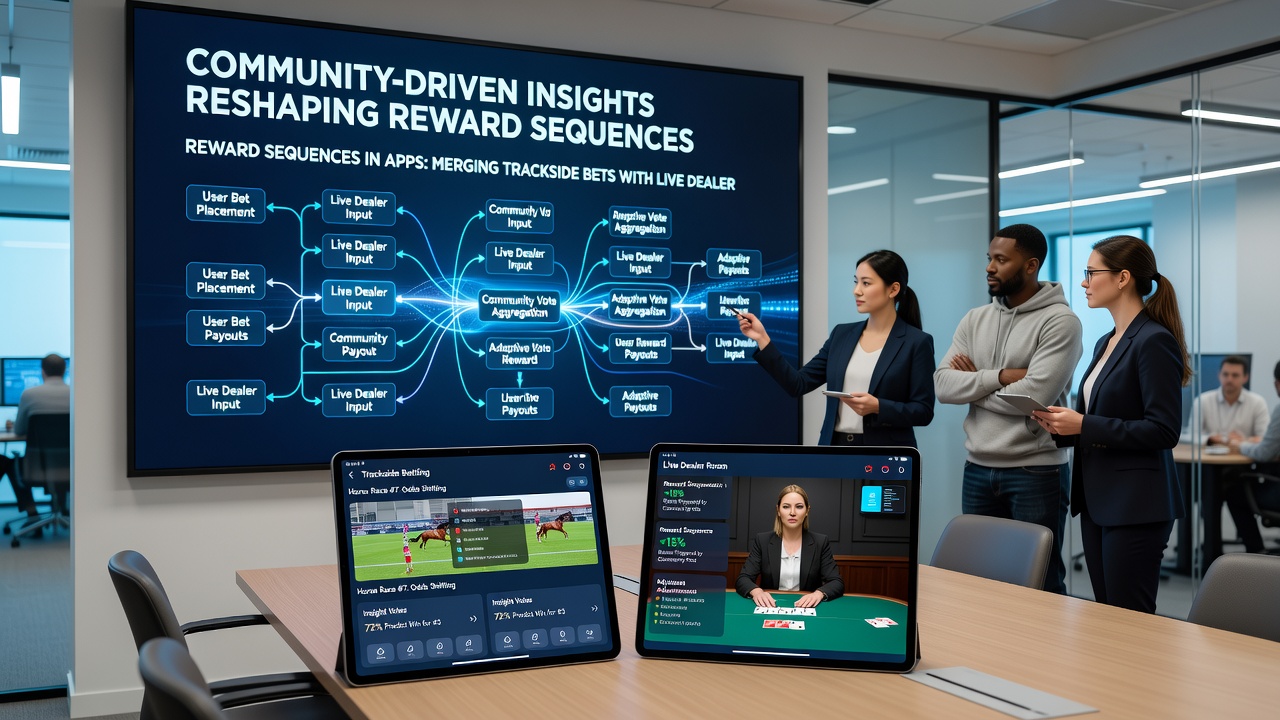
Platforms also monitor support ticket volume related to reward eligibility, which provides another data stream that informs sequence refinements; when clusters of similar queries appear, teams often release targeted updates that address the underlying timing issues. Those who've tracked these trends observe that June 2026 brought several notable rollouts where apps introduced dynamic reward calendars shaped by forum consensus, leading to more predictable activation points for users who alternate between trackside and table options.
Integration with regulatory and technical frameworks
Regulatory frameworks in multiple jurisdictions require transparent disclosure of how rewards calculate, and community feedback has helped clarify language around sequence rules without altering core compliance standards. Developers integrate these insights through moderated channels that filter suggestions for feasibility, ensuring proposed changes fit within existing technical architectures that handle simultaneous racing odds and live dealer streams. Studies conducted by academic researchers at institutions focused on digital gaming economics have documented how such iterative adjustments correlate with sustained user activity, particularly when sequences reward cross-format play rather than isolated bets.
Because live dealer feeds operate on separate servers from trackside data streams, reward sequences must synchronize across systems, and community reports often pinpoint latency points that engineers then optimize. This process repeats as new features roll out, creating ongoing cycles where user observations directly feed into sequence redesigns that appear in subsequent app versions.
Case examples of implemented changes
One platform introduced a community-voted reward tier that grants additional live dealer credits after completing a minimum number of trackside wagers within a single day, and metrics released afterward showed elevated cross-activity among participants who previously stayed within one format. Another application adjusted its daily login sequence to include hybrid bonuses after forum participants noted that separate racing and table incentives felt disconnected; the unified approach produced higher completion rates for the full reward path. Observers note these examples illustrate how aggregated insights translate into functional updates that maintain platform integrity while addressing specific user-reported friction points.
Technical teams continue to refine data pipelines that pull from community sources alongside traditional analytics, allowing reward sequences to adapt more fluidly as new patterns emerge in player behavior across racing and live dealer environments.
Conclusion
Community-driven adjustments continue to influence reward sequences in apps that merge trackside bets with live dealer options, as platforms process user reports to refine activation timing and stacking rules. Data from industry associations demonstrates measurable shifts in engagement following these updates, while regulatory compliance remains intact through structured review processes. The ongoing exchange between player communities and development teams shapes how future sequences will balance racing and table game incentives, with patterns established in early 2026 likely informing further refinements throughout the remainder of the year.