Decoding Real-Time Data Streams That Guide Custom Wager Adjustments in Hybrid Racing and Gaming Apps
Elena Brooks · May 30, 2026
Decoding Real-Time Data Streams That Guide Custom Wager Adjustments in Hybrid Racing and Gaming Apps
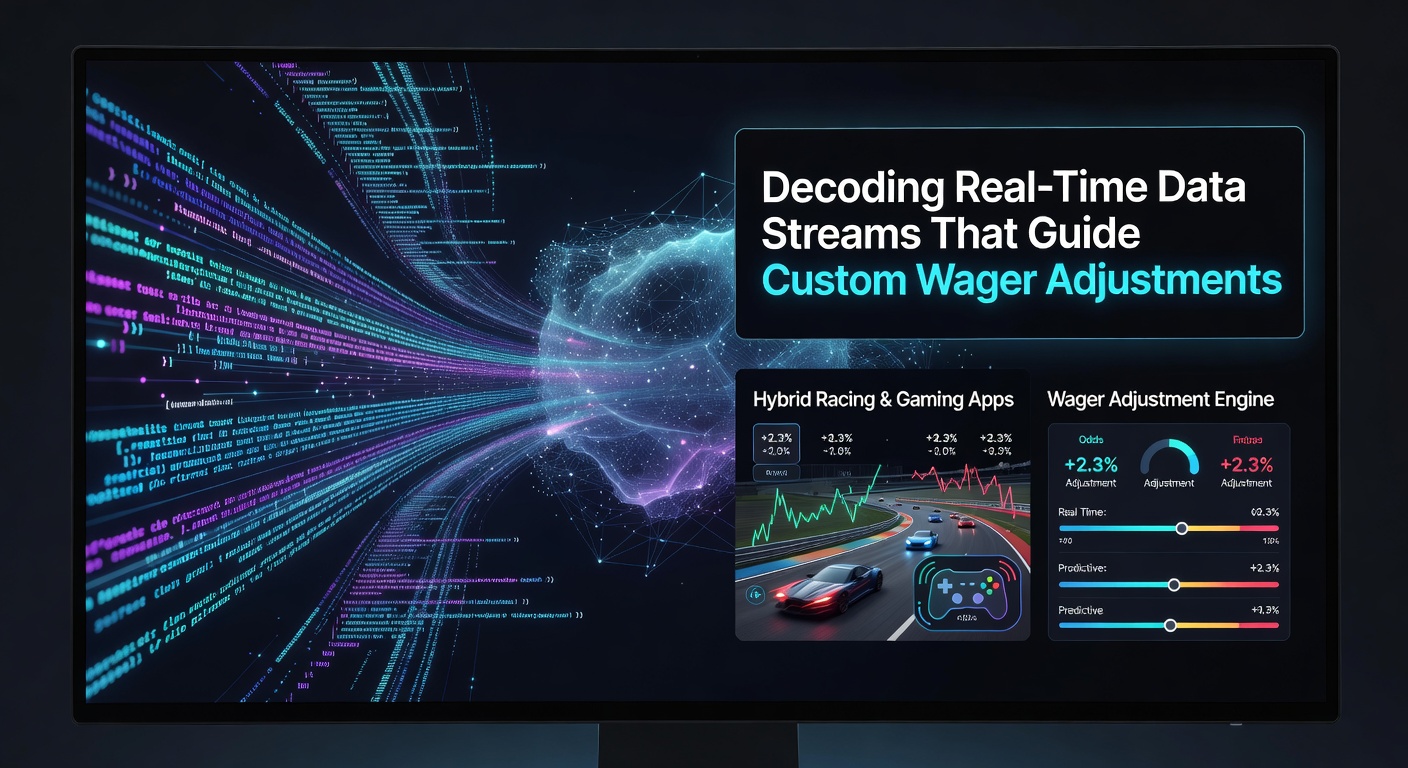
Hybrid racing and gaming apps combine live horse racing wagers with casino table game elements, and these platforms rely on continuous data feeds that update odds and betting options without interruption. Data streams from track sensors, player activity logs, and casino floor systems merge into unified pipelines that allow instant modifications to wager parameters such as stake limits, payout multipliers, and risk thresholds. Observers note that the process begins with ingestion layers that capture velocity, volume, and variety metrics from multiple sources simultaneously, which prevents delays when users request custom adjustments mid-race or during a spin sequence.
Data Ingestion and Processing Layers
Real-time pipelines start at the edge devices where timing information from race cameras and RFID tags on horses flows alongside RNG outputs from integrated slot or roulette modules. Processing clusters then apply filtering algorithms that prioritize events like position changes at the halfway mark or sudden shifts in table minimums. Studies from industry research groups indicate that latency targets remain under 200 milliseconds for most North American operators, while similar systems in Australian markets achieve comparable speeds through localized edge computing nodes. When a user initiates a custom wager adjustment, the system cross-references current stream values against historical patterns stored in short-term memory caches, enabling precise recalculations of implied probabilities and exposure limits.
Algorithms Driving Wager Customization
Machine learning models trained on aggregated session data detect correlations between racing pace metrics and concurrent casino game volatility. These models output suggested modifications, such as increasing a parlay stake when a horse maintains lead position past the final turn or decreasing exposure on a blackjack side bet when table momentum indicators rise. Data shows that operators in May 2026 began rolling out enhanced versions of these models that incorporate weather sensor inputs from tracks and live dealer fatigue signals from casino streams. teh result appears in user interfaces as dynamic sliders that reflect recalculated odds within the same view, allowing seamless transitions between racing and table game components without leaving the active session.
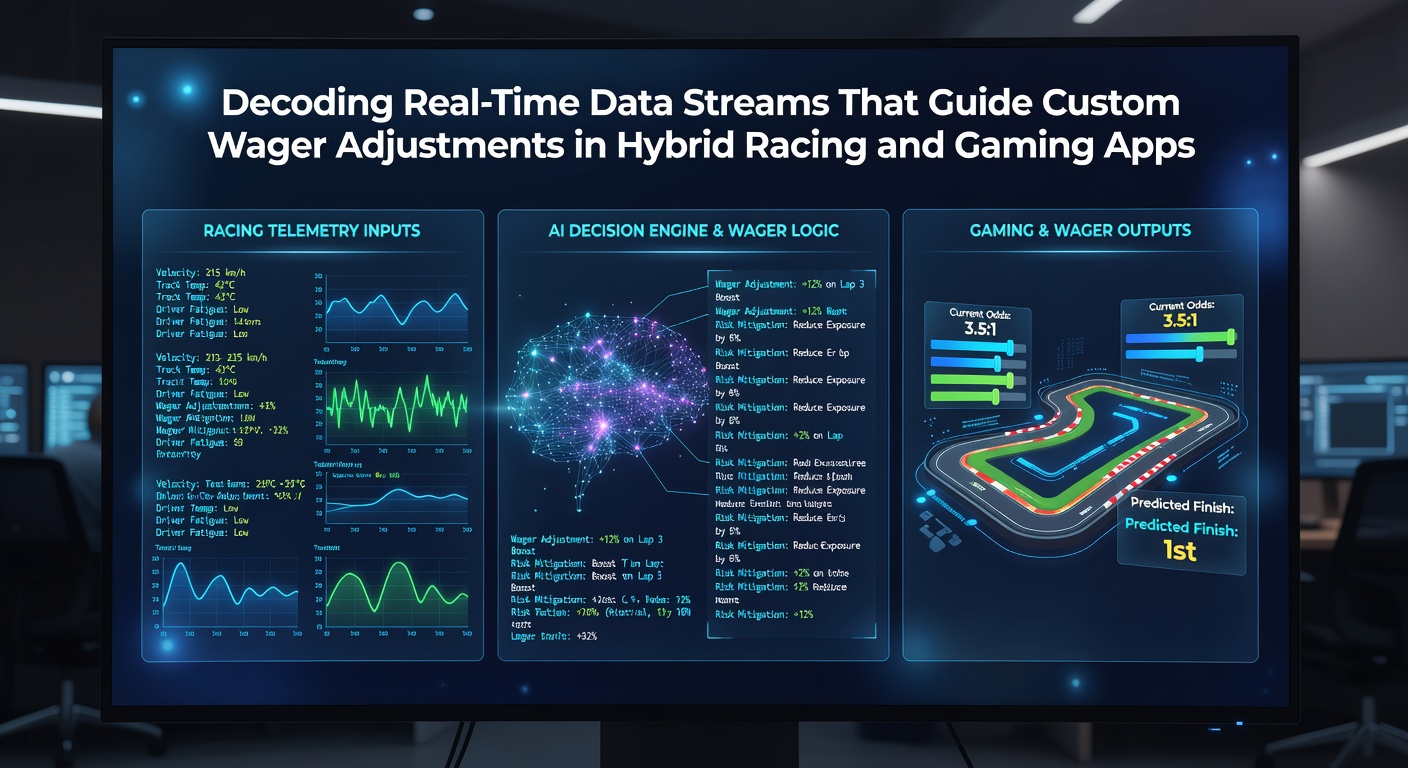
One documented implementation involves weighted scoring functions that assign higher influence to recent data points while retaining baseline values from earlier race segments. Engineers at platform providers have described these functions as balancing responsiveness against stability, which reduces abrupt swings that could frustrate users. Research indicates the approach improves retention metrics in markets where hybrid products launched during the first quarter of 2026.
Regulatory and Technical Standards
Compliance frameworks require audit trails that log every data point influencing a wager adjustment. Canadian provincial regulators, for instance, mandate timestamped records of stream inputs and model outputs for a minimum of seven years. Similar requirements exist under frameworks overseen by the Pennsylvania Gaming Control Board, which specifies encryption standards for data in transit between track facilities and central servers. Technical standards also address synchronization across distributed systems so that a wager placed on a hybrid parlay reflects the exact state of both the race and the linked casino element at the moment of confirmation.
Platforms integrate fallback mechanisms that revert to conservative default parameters if stream quality degrades below defined thresholds. These safeguards activate automatically when packet loss exceeds 0.5 percent or when latency spikes above preset limits, ensuring continued operation even during network congestion events reported in high-traffic periods such as major racing festivals.
Case Implementations and Market Data
Operators serving multiple jurisdictions report that hybrid apps accounted for measurable portions of total handle in regions with expanded licensing during spring 2026. Figures released by state gaming commissions show that custom wager features processed through real-time streams contributed to higher average bet values compared with static offerings. In one deployment covering tracks in the Midwest and casino integrations on the same platform, session duration increased after the introduction of granular adjustment controls tied directly to live data feeds.
Academic analyses from research institutions in Europe have examined the statistical properties of these streams, noting that variance in adjustment frequency correlates with specific race distances and table game types. The findings provide operators with benchmarks for calibrating model sensitivity without crossing into territory already covered by earlier publications on algorithmic wager influences.
Conclusion
Real-time data streams form the operational backbone that enables precise, context-aware wager modifications across hybrid racing and gaming environments. Continued refinement of ingestion layers, algorithmic scoring, and regulatory logging practices supports the expansion of these features into additional markets through 2026 and beyond. Stakeholders continue to monitor performance metrics that reflect both technical reliability and user engagement patterns derived from integrated data sources.