Decoding User Feedback Loops That Adjust Live Betting Strategies for Equine Competitions Alongside Table Game Promotions
Otto Simon · Jun 13, 2026
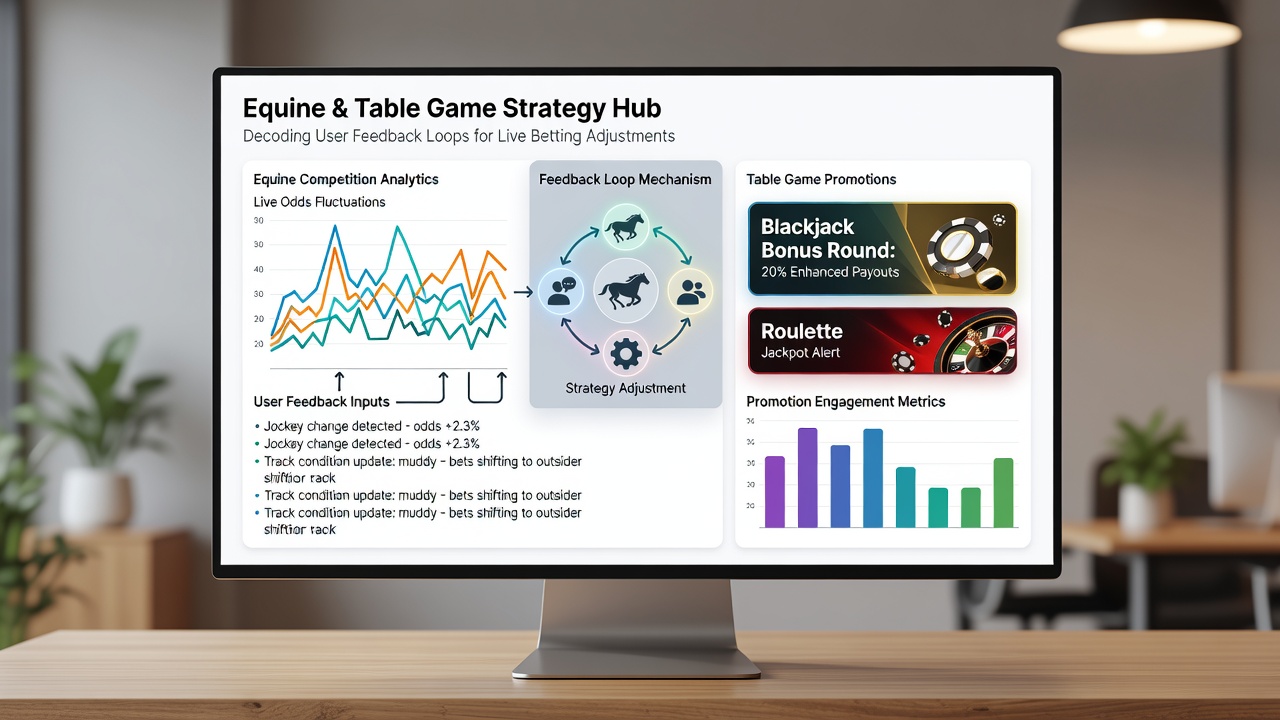
Decoding User Feedback Loops That Adjust Live Betting Strategies for Equine Competitions Alongside Table Game Promotions
Feedback loops in mobile wagering platforms operate through continuous data collection from user interactions during equine competitions and table game sessions, where algorithms process bet placements, timing, and promotional redemptions to refine strategy recommendations in real time. Observers note that these systems track patterns such as wager frequency on specific horse races alongside spins or card plays, then adjust odds displays and bonus triggers accordingly while platforms in multiple regions report increased integration of such features by June 2026.
Mechanics of Feedback Collection in Hybrid Wagering Environments
Platforms gather input from equine event bets through metrics including stake amounts, live odds adjustments, and session durations, and they combine this information with data from table game promotions such as deposit matches or free spin allocations to create unified user profiles. Researchers have documented how these loops function by analyzing sequences where a bettor places a wager on a thoroughbred race and immediately engages with a blackjack promotion, prompting the system to suggest modified strategies that align payout potentials across both activities. Data from industry reports indicate that such collection happens via app sensors and transaction logs, allowing adjustments without manual intervention as users move between racing streams and casino tables.
Real-Time Strategy Adjustments for Equine Competitions
Algorithms decode feedback by evaluating live performance indicators from horse races, such as speed ratings and jockey statistics, then correlate them with prior user choices in table game promotions to recalibrate betting suggestions. For instance, when participants show consistent engagement with high-volatility table games, systems may elevate recommendations for similar risk profiles in upcoming equine events, and this occurs through iterative updates that occur within seconds of each interaction. Studies from academic sources reveal that these adjustments rely on machine learning models trained on aggregated anonymized datasets, which helps platforms maintain regulatory compliance across jurisdictions including those monitored by bodies like the Nevada Gaming Control Board.
Integration with Table Game Promotions and Cross-Activity Loops
Table game promotions feed into the same feedback mechanisms by logging redemption rates and win frequencies, which then influence equine betting interfaces through shared user accounts. People often find that a successful casino spin sequence triggers tailored promotions for horse racing bets, such as enhanced odds on specific tracks, while the loop closes when race outcomes prompt new table game incentives. This integration expands in June 2026 as more operators adopt unified dashboards, and figures from market analyses show rising adoption rates in regions served by the Australian Communications and Media Authority guidelines on digital wagering tools.
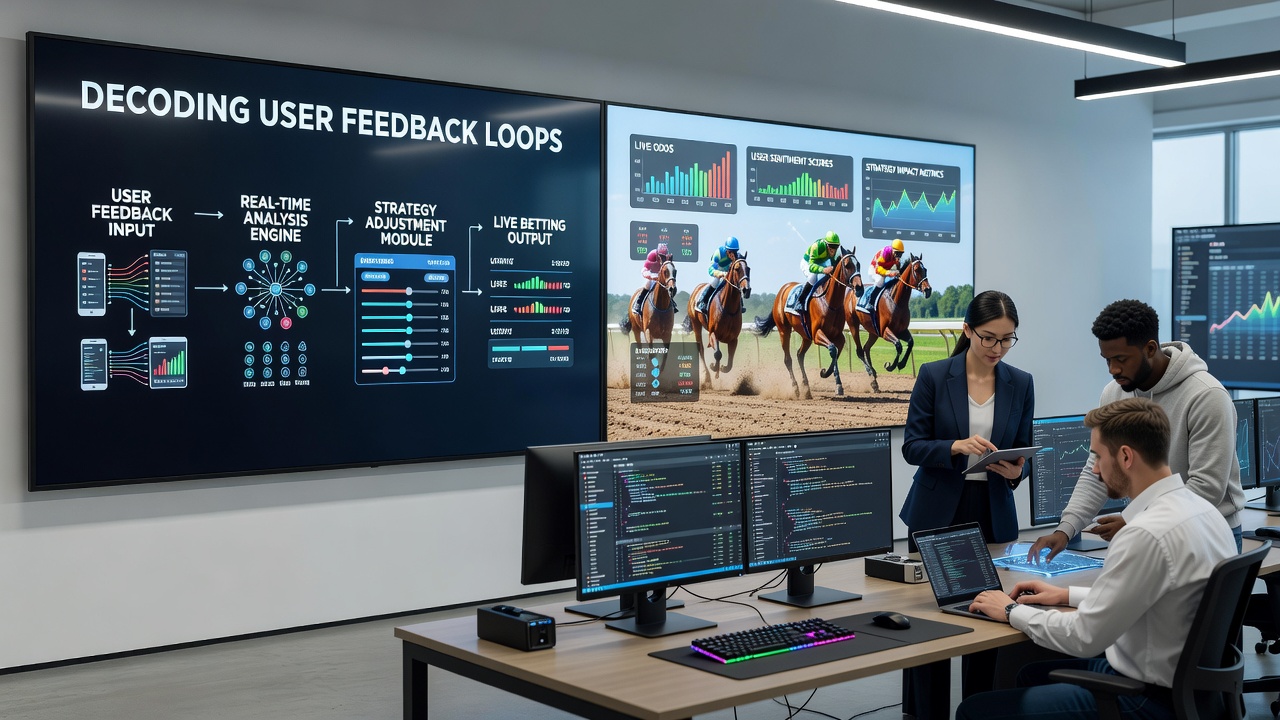
One study revealed that cross-activity loops reduce user drop-off rates by synchronizing promotional timing with race schedules, creating seamless transitions that keep participants engaged across both verticals. Experts have observed similar patterns in hybrid apps where feedback from delayed table game bonuses leads to compensatory equine bet boosts, and this dynamic relies on precise data pipelines that process inputs from multiple sources simultaneously.
Data Streams and Algorithmic Influences on Adjustments
Real-time data streams supply the raw material for these loops through continuous feeds of race results, odds fluctuations, and promotion claim histories, which algorithms parse to identify actionable patterns. Observers note that when equine competition data shows a surge in late-race betting, systems may respond by amplifying table game promotions that offer quick resolution times, thereby balancing user session lengths. Research indicates that such influences draw from predictive models updated daily, and this process supports compliance with varying standards set by international regulatory frameworks.
Case examples demonstrate how feedback from one activity reshapes the other, as when repeated table game wins correlate with increased equine wager sizes in subsequent races, prompting automated strategy refinements. Those who've studied these systems know that the loops maintain objectivity by focusing solely on behavioral aggregates rather than individual identifiers, and this approach aligns with data protection requirements in multiple markets.
Conclusion
Feedback loops continue to shape live betting adjustments in equine competitions paired with table game promotions through structured data analysis and responsive algorithms, with platforms expanding these capabilities by June 2026. Evidence from regulatory and academic sources confirms the role of integrated metrics in refining user experiences across hybrid environments, and ongoing developments in data processing support broader application in the sector.