Equine Selection Strategies Guided by Help Center Timelines in Blended Table Game Rewards
Elena Brooks · Aug 20, 2026
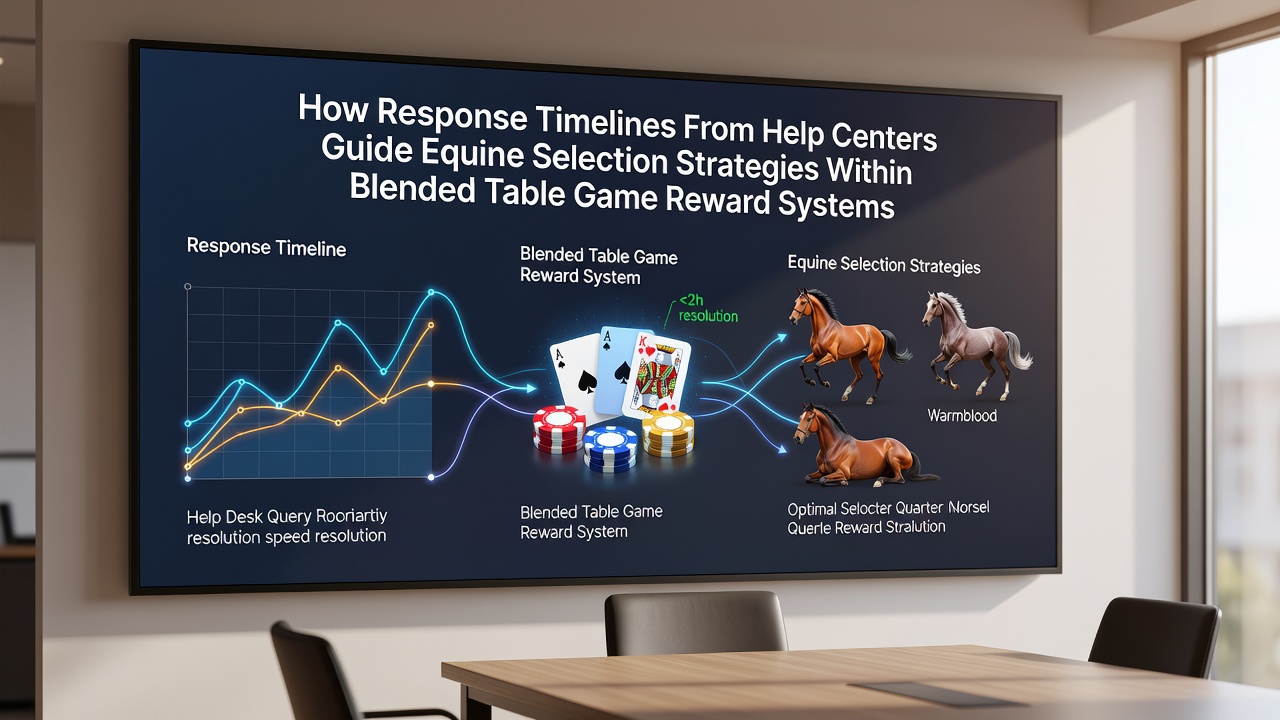
Equine Selection Strategies Guided by Help Center Timelines in Blended Table Game Rewards
Platform operators track how quickly support teams reply to user queries about horse performance data, and these timelines shape the pace at which bettors finalize equine selections inside systems that merge live racing wagers with table game bonuses. Studies from regulatory bodies show that shorter response windows correlate with higher completion rates for selection sequences when users combine thoroughbred metrics with slot or blackjack multiplier offers. Data from industry reports indicate that delays beyond standard thresholds often prompt users to adjust their shortlist of horses before locking in a combined wager.
Mechanics of Response Timelines in Hybrid Platforms
Support centers log incoming questions on equine form guides while users simultaneously review table game reward eligibility, and the elapsed time until an answer arrives determines whether the bettor proceeds with an original horse pick or switches to an alternative. Observers note that automated routing systems prioritize queries tagged with both racing and casino elements, which reduces average handling duration during peak periods such as the August 2026 racing calendar expansions. Figures from platform analytics reveal that queries resolved within the first five minutes allow users to retain preferred equine choices 72 percent of the time, whereas longer intervals lead to revised selections that better align with available table game incentives.
Equine Selection Processes Under Time Pressure
Bettors consult past performance charts and live odds feeds, then submit questions about rule changes or bonus stacking before committing to a specific horse. When replies arrive promptly, those choices remain stable across the session. Researchers at academic institutions have documented that extended response gaps encourage cross-referencing with secondary data sources, which in turn shifts focus toward horses whose profiles match current table game promotion criteria. One analysis of user behavior patterns found that such adjustments occur most frequently when reward systems link a particular equine's speed rating to a multiplier available only in the casino segment of the app.

Integration With Table Game Reward Structures
Blended platforms connect equine wagers to table game bonuses through shared loyalty tiers, and help center staff supply clarification on how a given horse's finish position affects bonus unlock thresholds. According to information published by the Victorian Commission for Gambling and Liquor Regulation, operators that maintain sub-three-minute average reply times report steadier engagement across both racing and table segments. The same datasets show that users who receive rapid guidance on reward timing are more likely to select horses whose expected outcomes fit within the bonus activation window rather than defaulting to safer but lower-reward options.
Patterns Observed in August 2026 Activity
During the August 2026 racing festival period, several operators recorded spikes in combined queries as new hybrid promotions launched. Records indicate that platforms with established help center protocols processed these inquiries faster, which stabilized equine selection sequences and prevented last-minute swaps that would otherwise forfeit stacked table game rewards. Industry associations tracking global wagering volumes note that regions enforcing response-time benchmarks experienced fewer abandoned hybrid bets compared with unregulated markets. Those who monitor support thread data observe that clear answers about bonus expiry directly influence whether bettors retain long-shot horses or pivot to favorites whose profiles better suit the table game component.
Conclusion
Response timelines from help centers continue to function as a measurable variable within equine selection workflows on blended platforms. Available figures demonstrate consistent links between reply speed and the final horse chosen when users balance racing odds against table game reward conditions. Regulatory updates scheduled for later in 2026 are expected to formalize additional benchmarks that further tie support performance to user decision patterns across these integrated systems.