Signal Mapping in Portable Racing Ecosystems Reveals Timing Links Between Live Feeds and Reward Triggers
Otto Simon · Jul 16, 2026
Signal Mapping in Portable Racing Ecosystems Reveals Timing Links Between Live Feeds and Reward Triggers
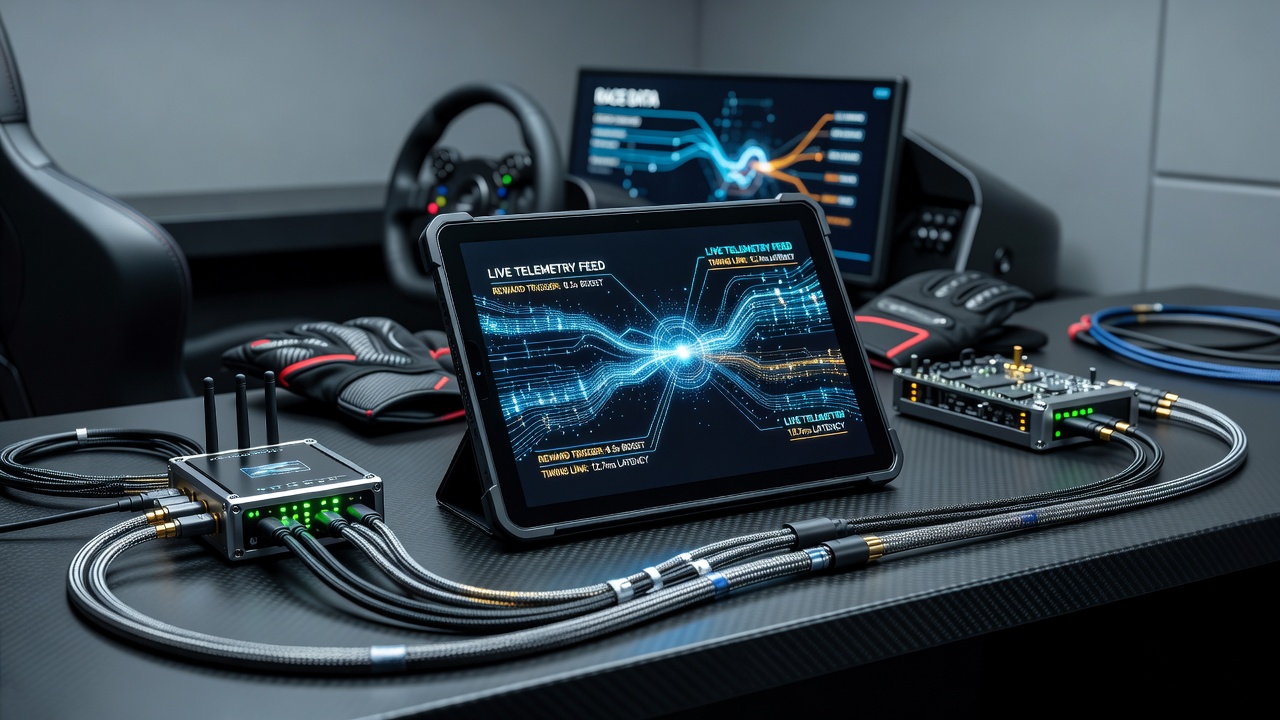
Portable racing ecosystems rely on precise signal mapping to align live data feeds with reward activation sequences across mobile platforms, and developers have refined these processes to handle timing discrepancies that arise during equine events. Research indicates that synchronization occurs through layered protocols where incoming race telemetry gets parsed into discrete triggers, which then interact with user accounts to deliver bonuses or adjusted odds at specific intervals.
Core Components of Signal Mapping Systems
Developers map signals by breaking down live feeds into categories such as position updates, speed metrics, and event milestones, after which algorithms assign timestamps that correspond to reward conditions. Data shows these mappings draw from standardized APIs that pull information from track sensors and broadcast sources, while additional layers incorporate user interaction logs to refine trigger points. According to reports from the Australian Communications and Media Authority, such systems have seen adoption rates increase in regions where mobile wagering integrates real-time elements with promotional mechanics.
Timing links emerge when a live feed registers an event like a horse crossing a checkpoint, and the mapped signal immediately evaluates whether that moment satisfies criteria for a reward, such as a multiplier on a placed bet or an unlock for a table game spin. Observers note that these connections depend on low-latency networks, since delays beyond a few milliseconds can desynchronize the feed from the reward engine and alter payout sequences.
Technical Processes Behind Live Feed Integration
Signal mapping begins with ingestion pipelines that normalize data from multiple sources into a unified format, and engineers then apply temporal filters to isolate moments that align with predefined reward rules. Studies from research institutions in Canada reveal that hybrid applications blending racing wagers with casino elements use graph-based models to trace how one signal influences downstream triggers, which allows platforms to adjust rewards dynamically during a single event. This approach connects raw telemetry to account-level actions without requiring separate manual interventions.
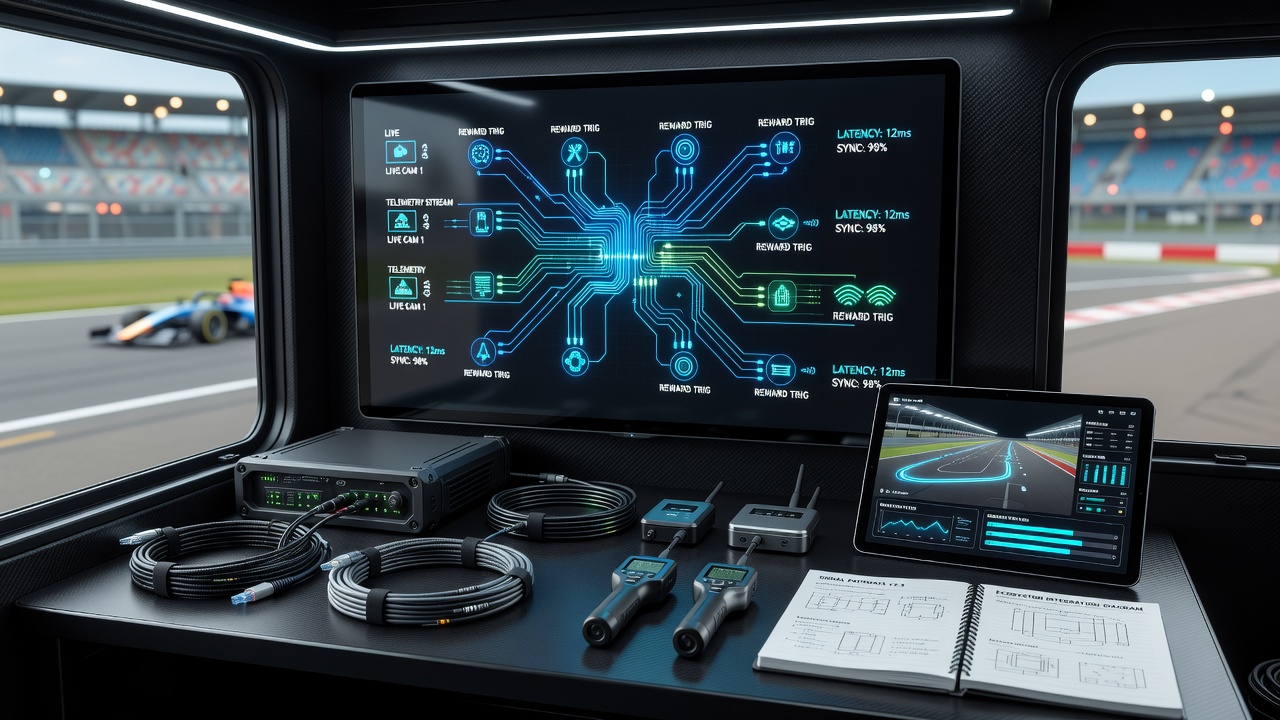
July 2026 brought updates to several portable platforms that incorporated enhanced mapping protocols, and these changes addressed inconsistencies reported in earlier versions where reward triggers lagged behind live feeds by noticeable margins. Industry analyses indicate that the refinements reduced average synchronization errors by incorporating predictive buffering techniques, which anticipate feed variations based on historical patterns from prior races.
Practical Applications in Mobile Wagering Environments
Users encounter these mapped signals through app interfaces that display live updates alongside available rewards, and the underlying system ensures that a completed mapping sequence activates the correct incentive at the exact moment the feed confirms the triggering condition. Take one platform that integrated signal mapping with equine competitions; developers found that linking checkpoint data directly to bonus eligibility increased engagement metrics during peak event windows. Regulatory frameworks in the European Union have encouraged transparency in these mechanisms, which prompts operators to document how timing links function to maintain compliance with data handling standards.
Additional case examples demonstrate that when live feeds include supplementary data such as weather impacts or track conditions, the mapping layer incorporates those variables to modulate reward values accordingly. This integration creates a feedback loop where mapped signals not only trigger rewards but also inform subsequent wager adjustments in real time.
Challenges and Refinements in Timing Accuracy
Timing discrepancies arise from network variability and device processing differences, yet mapping tools counter these issues through redundant signal paths that verify feed integrity before reward activation. Evidence from academic papers on distributed systems suggests that portable racing applications benefit from edge computing nodes placed near major tracks, which shorten the distance between data origin and signal processing units. Those who've examined deployment logs report that such placements have stabilized timing links across diverse geographic regions.
Future iterations may expand these mappings to include multi-event correlations, where signals from one race influence reward availability in concurrent table game sessions within the same ecosystem. Data from trade organizations indicates steady investment in these capabilities as operators seek to unify user experiences across racing and gaming modules.
Conclusion
Signal mapping continues to shape how portable racing ecosystems manage the interplay between live feeds and reward triggers, and ongoing technical advancements ensure that timing alignments remain reliable even under variable conditions. Industry reports and regulatory guidance together highlight the importance of these systems in maintaining operational consistency across mobile platforms.