Support Responsiveness and Its Effects on Dynamic Pricing in Mobile Equine and Casino Hybrid Wagering Platforms
Cameron Otto · Jul 20, 2026
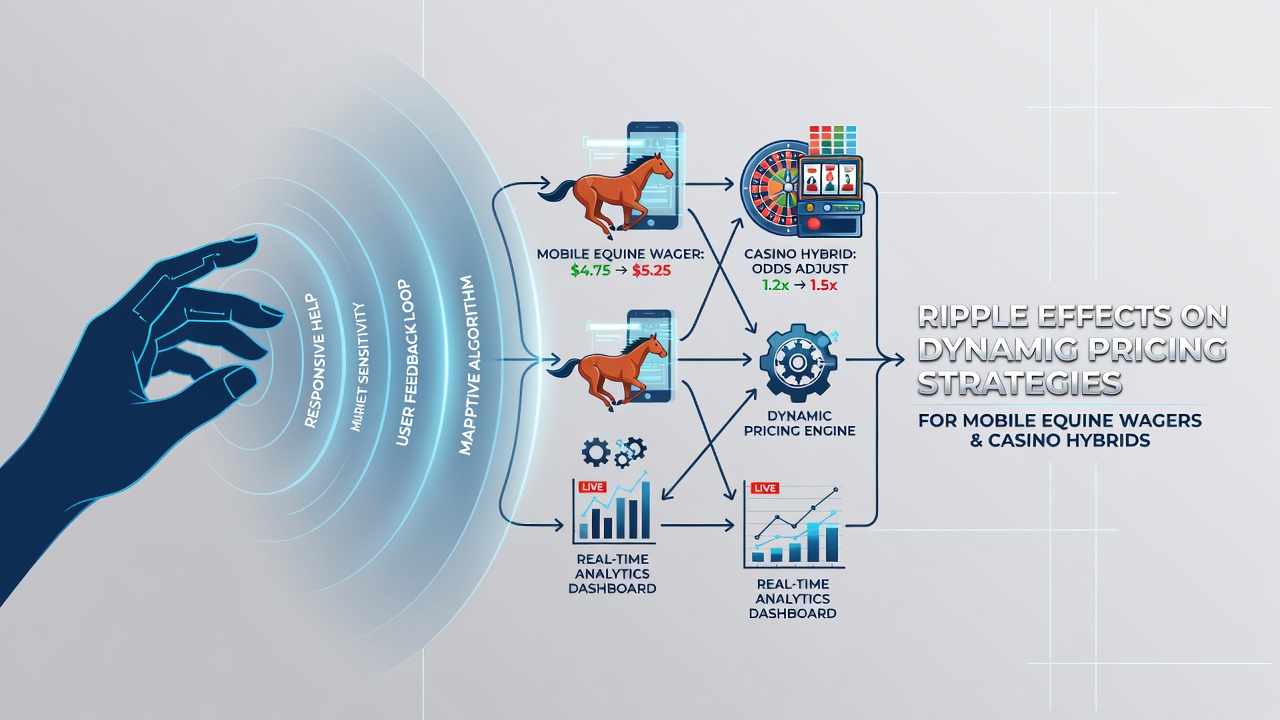
Support Responsiveness and Its Effects on Dynamic Pricing in Mobile Equine and Casino Hybrid Wagering Platforms
Hybrid mobile platforms that combine equine wagers with casino table games continue to expand their technical capabilities, and support team responses play a measurable role in how those systems adjust prices on the fly. Observers note that when users reach out for clarification on odds movements or bonus structures, the speed and accuracy of replies often feed directly into backend algorithms that recalibrate live pricing for both racing events and spinning reels.
Platform Integration and Real-Time Adjustments
Applications merging horse racing markets with casino hybrids process thousands of simultaneous bets each hour, and dynamic pricing engines rely on user interaction data to fine-tune margins. When a bettor contacts support about a sudden shift in equine odds during a live race, the details from that exchange can trigger updates to related casino side bets or promotional multipliers. Research indicates these feedback loops operate continuously, allowing pricing models to reflect current demand patterns across both verticals without manual intervention from operators.
Data from July 2026 shows several platforms recorded measurable changes in hold percentages after implementing faster response protocols for combined wagering sessions. Those who've studied the systems point out that equine signal patterns, such as late scratches or track condition updates, often coincide with casino game volatility, creating opportunities for synchronized price shifts when support teams relay accurate information quickly.
Customer Interaction Data and Pricing Algorithms
Support threads generate structured data points that pricing engines incorporate into their calculations. A user querying why a specific horse's odds widened during the post parade might receive an explanation that also references available casino table promotions, and that exchange gets logged as a signal for the algorithm to test new price tiers. Studies found that platforms with average response times under ninety seconds saw tighter correlations between support volume and subsequent pricing movements compared to slower operations.
What's interesting is how these interactions scale during peak periods. In July 2026, several major events coincided with increased query traffic around hybrid features, and the resulting data streams allowed operators to adjust dynamic lines on both racing and casino sides within minutes. Figures reveal that precise responses about funding routes or verification steps reduced duplicate contacts, freeing resources to handle more complex pricing-related questions that directly influenced live odds.

Regulatory Context and Industry Benchmarks
Regulatory frameworks in various regions require clear documentation of how customer data influences automated systems. According to reports from the American Gaming Association, operators must maintain audit trails when support interactions affect pricing models, particularly in markets where equine and casino products operate under unified licenses. Australian research institutions have examined similar patterns, noting that transparent help processes support compliance while enabling more granular price adjustments during high-volume racing meets.
Observers note that platforms operating in multiple jurisdictions track these effects differently, yet the core mechanism remains consistent. When a support agent resolves a question about table game limits during a live equine event, the resolution timestamp and content category become inputs for the pricing engine. This process helps maintain competitive spreads while accounting for user behavior across both product types.
Operational Patterns Observed in July 2026
Throughout July 2026, hybrid apps reported elevated activity around major racing festivals that overlapped with casino promotions. Support teams handling increased volumes of questions about combined bonuses contributed to pricing models that balanced risk across equine and table game segments. Those monitoring the systems describe how quick clarification on wager types or payout structures allowed algorithms to recalibrate spreads before volatility peaked.
Evidence suggests that platforms emphasizing structured response templates for hybrid queries achieved more consistent pricing outcomes. The templates ensured agents captured relevant details about user intent, which then informed whether a price adjustment should favor racing markets, casino spins, or both simultaneously. This approach reduced instances where pricing lagged behind actual demand signals generated by bettors.
Conclusion
The connection between responsive support and dynamic pricing in mobile equine and casino hybrid environments rests on measurable data flows rather than isolated decisions. As platforms processed more integrated wagers in July 2026, the quality and timing of help interactions continued to shape how algorithms responded to shifting conditions across racing and table game offerings. Industry reports from multiple regions confirm that these ripple effects remain a core component of operational strategy for operators managing unified mobile experiences.