Syncing Incentives with Live Markets: Notification Mechanics in Multi-Game Wagering Systems
Otto Simon · Aug 13, 2026
Syncing Incentives with Live Markets: Notification Mechanics in Multi-Game Wagering Systems
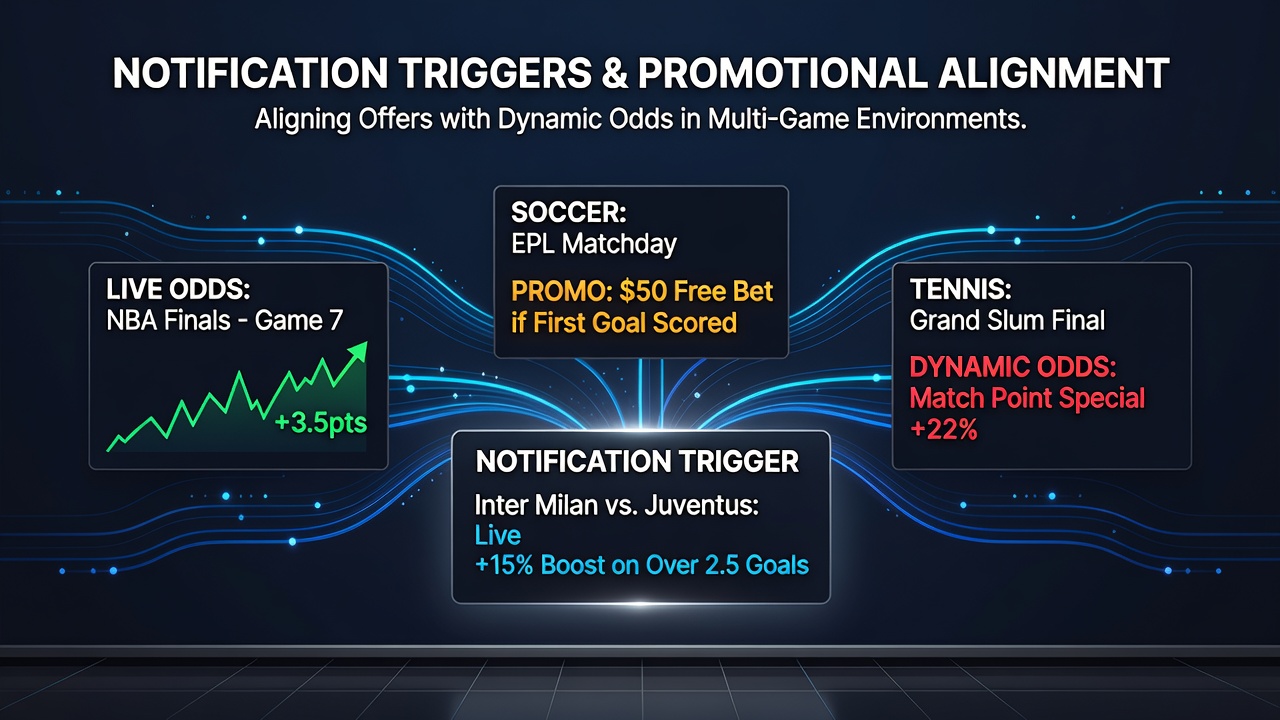
Notification systems in multi-game betting environments connect promotional offers directly to shifting odds across sports, horse racing, and casino table games on single platforms. These triggers activate when predefined conditions match, such as odds movements that align with bonus eligibility windows or wager multipliers. Data from integrated apps shows operators using these mechanics to maintain engagement during live events, where odds can fluctuate rapidly due to in-game developments or market adjustments.
Core Mechanics of Trigger Alignment
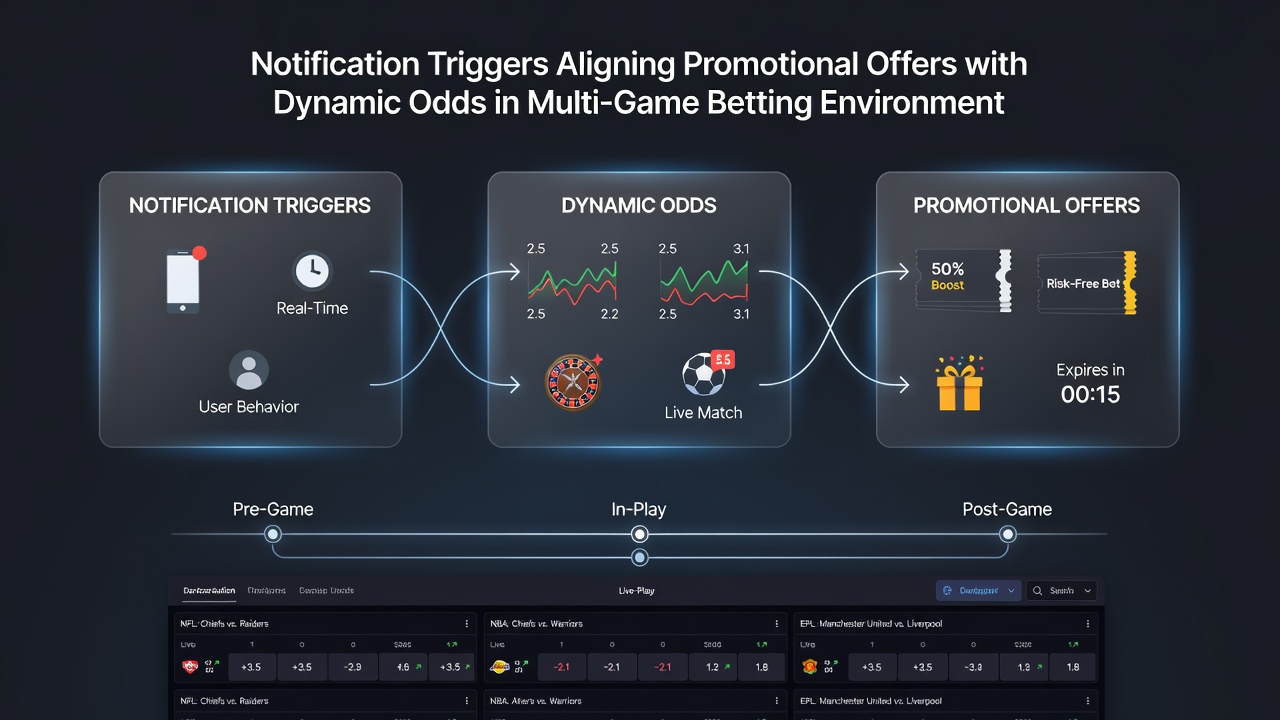
Developers build notification triggers around real-time data feeds that monitor both odds databases and user account statuses simultaneously. When an odds change occurs within a set threshold, the system evaluates whether the user qualifies for an attached promotion, such as a boosted payout on a parlay that includes a horse race and a live table game bet. This process relies on API connections between sportsbook modules, racing data providers, and casino game servers, allowing a single alert to reference multiple verticals without requiring separate logins.
Research indicates that platforms handling hybrid wagers process these alignments in under two seconds on average during peak hours. The triggers often incorporate user history filters, so a notification for a dynamic odds promo appears only to accounts with prior activity in both equine and table game sections. In August 2026, several operators expanded these systems to cover the growing number of states with legalized multi-game mobile betting, resulting in higher volumes of cross-vertical wagers.
Technical Integration Across Verticals
Multi-game environments combine horse racing data streams with casino RNG outputs and sports event trackers into unified dashboards. Notification triggers sit atop this infrastructure, using rule-based engines that reference both promotional calendars and live odds tables. For instance, a user viewing a basketball game might receive an alert when odds on an underdog shift, unlocking a deposit match tied to an upcoming race at a partnered track. Observers note that this approach reduces the steps between discovery and placement, since the offer appears contextually rather than in a separate promotions tab.
Platforms employ machine learning models to refine trigger accuracy, analyzing patterns from past sessions where users responded to aligned offers. These models factor in variables such as time of day, device type, and recent wager sizes, while maintaining compliance with regional rules on advertising and responsible gaming messaging. Figures from industry reports reveal that operators in regulated markets have increased the frequency of such notifications without raising complaint volumes, suggesting the alignments match user expectations more closely than generic promotions.
Regulatory and Operational Considerations
State gaming commissions and international bodies require clear documentation of how notification triggers function, particularly when promotions tie to dynamic odds. Operators submit system logs that demonstrate triggers activate only on verifiable odds movements, preventing any appearance of manipulation. American Gaming Association research highlights the importance of audit trails in these systems for markets including New Jersey and Pennsylvania. Similar requirements appear in Australian regulatory frameworks, where operators must separate promotional content from core betting interfaces.
Those managing hybrid platforms also coordinate with payment processors to ensure funded accounts receive notifications in real time. This coordination supports faster bonus activation sequences, especially when a user moves from a funded race bet to a live casino session within the same app. Data shows that streamlined trigger responses correlate with sustained handle growth in multi-vertical environments during major events.
Examples from Current Deployments
One operator in a multi-state market implemented triggers that link baseball live odds to horse racing promos during overlapping evening windows. Users received alerts when a game total crossed a threshold, revealing an available matched wager on a selected race. Another deployment in a European jurisdiction aligned table game multipliers with soccer odds shifts, drawing from aggregated data across the platform. These cases illustrate how the same technical framework adapts to different regulatory landscapes and event calendars.
Industry analyses from the European Gaming and Betting Association document rising adoption of such systems among operators serving cross-border users. The reports track metrics including notification open rates and subsequent wager conversion, providing benchmarks for new entrants.
Conclusion
Notification triggers that align promotional offers with dynamic odds form a functional layer within multi-game betting platforms. They depend on synchronized data flows, rule engines, and compliance checks to operate across sports, racing, and casino offerings. As platforms continue to expand in 2026, the mechanisms support more precise delivery of incentives while meeting operational and regulatory standards observed in multiple jurisdictions.