User Interaction Patterns Refining Real-Time Odds in Blended Mobile Racing and Casino Experiences
Yves Günther · Aug 1, 2026
User Interaction Patterns Refining Real-Time Odds in Blended Mobile Racing and Casino Experiences
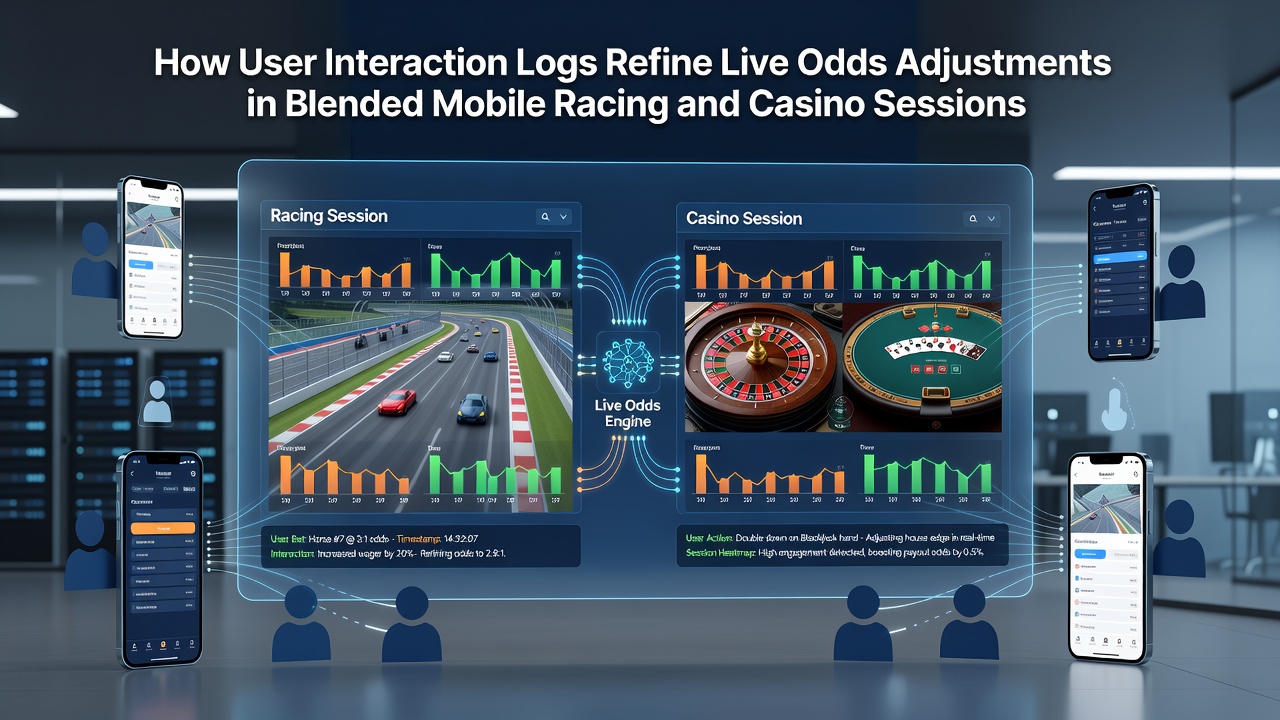
Platforms that merge horse racing wagers with casino table games on mobile devices rely on detailed user interaction logs to adjust live odds during active sessions, and these systems track clicks, bet placements, session durations, and navigation paths to generate adjustments that reflect observed player behavior. Data collected in August 2026 shows increased reliance on such logs as hybrid apps expand across multiple jurisdictions.
Core Mechanisms Behind Log-Driven Adjustments
Operators collect timestamps for every tap on racing odds or casino spin buttons, then feed those sequences into algorithms that detect patterns like rapid shifts between markets or repeated small-stake testing on specific outcomes. When logs reveal clusters of users pausing longer on certain horse races while quickly cycling through blackjack hands, the system recalibrates live odds to balance exposure across both product types within the same session.
Studies from research institutions indicate that combining these signals with real-time market movement produces more granular updates than traditional volume-based models alone, and the process operates continuously rather than at fixed intervals. One documented case involved an app that shortened payout intervals on popular casino promotions after logs showed users returning to racing markets within ninety seconds of a table game round.
Integration Across Racing and Casino Elements
Hybrid sessions create unique data points because users often alternate between equine events and table games in a single login, and logs capture the order of these transitions along with stake sizes at each step. Analysts at industry organizations have observed that such cross-product movement allows platforms to identify when racing odds need tightening because casino activity has increased liquidity on correlated outcomes.
According to figures released by state regulatory bodies in several US markets, apps employing log-based refinement recorded measurable changes in hold rates during peak evening hours in August 2026, particularly when users engaged in sequential bets across both verticals. The adjustments remain invisible to the end user yet influence displayed odds within milliseconds of the logged behavior.
Technical Processing of Interaction Data
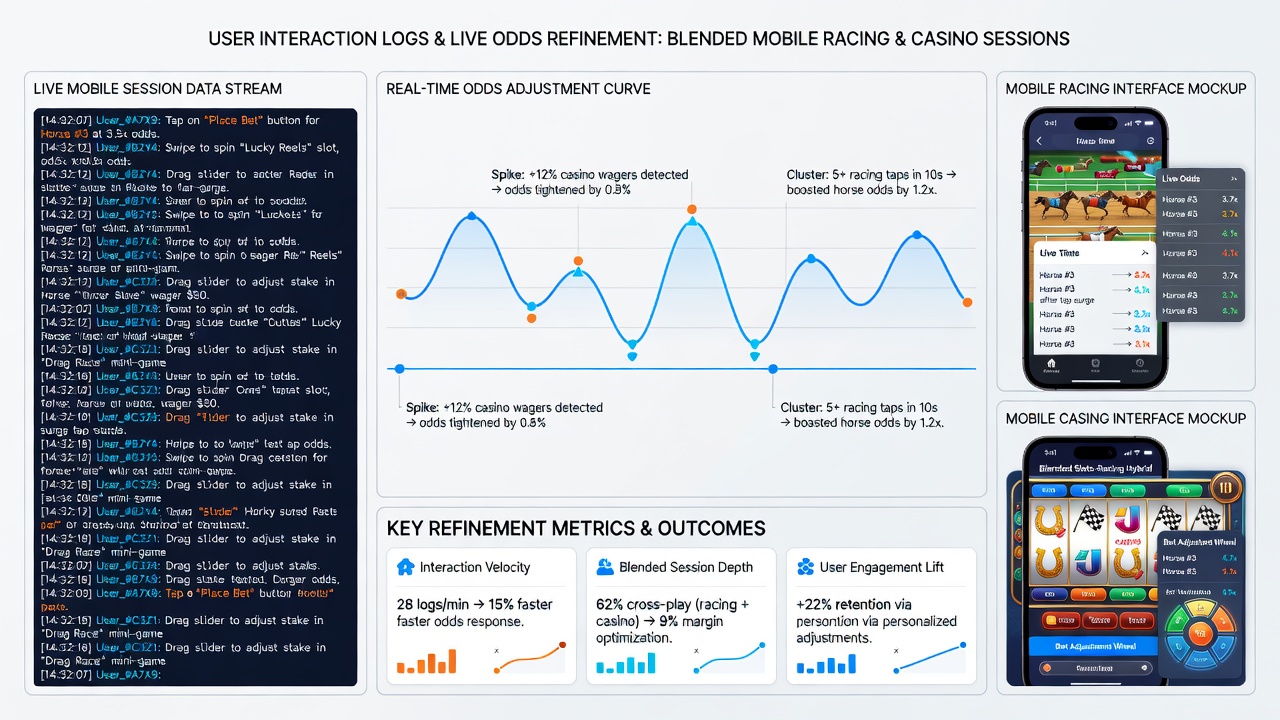
Raw logs pass through filtering layers that separate noise from actionable signals, after which machine learning models assign weights to factors such as device type, time of day, and prior session history. These weighted inputs then modify base probability calculations for both live racing and casino table outcomes, and the resulting odds feed back into the app interface without requiring manual trader intervention.
Reports from academic research groups highlight that the inclusion of navigation depth metrics, such as how many screens a user traverses before placing a wager, improves prediction accuracy for short-term odds shifts compared with models limited to bet volume alone. Platforms operating in regulated Canadian and Australian markets have adopted similar frameworks, adapting them to local reporting requirements while maintaining cross-product consistency.
Regulatory Context and Reporting Practices
Gaming control boards in multiple jurisdictions require operators to document how interaction logs influence odds and to retain audit trails that demonstrate compliance with fairness standards. In practice this means storing anonymized log segments alongside the corresponding odds changes, and external reviewers examine these records during periodic assessments.
Data compiled by European gaming associations shows steady growth in hybrid mobile products through mid-2026, with log refinement cited as a contributing factor in maintaining stable risk profiles across blended sessions. Operators submit aggregated statistics rather than individual user paths, preserving privacy while still allowing oversight of the adjustment mechanisms.
Conclusion
Interaction logs continue to serve as the primary input for refining live odds within mobile applications that combine racing and casino offerings, and ongoing developments in data processing techniques support more responsive adjustments as session volumes rise. The approach integrates behavioral signals directly into pricing models while operating under established regulatory frameworks across different regions.