Verification Interaction Patterns That Time Rewards for Hybrid Thoroughbred Stakes and Table Incentives on Mobile Platforms
Cameron Krüger · Jul 27, 2026
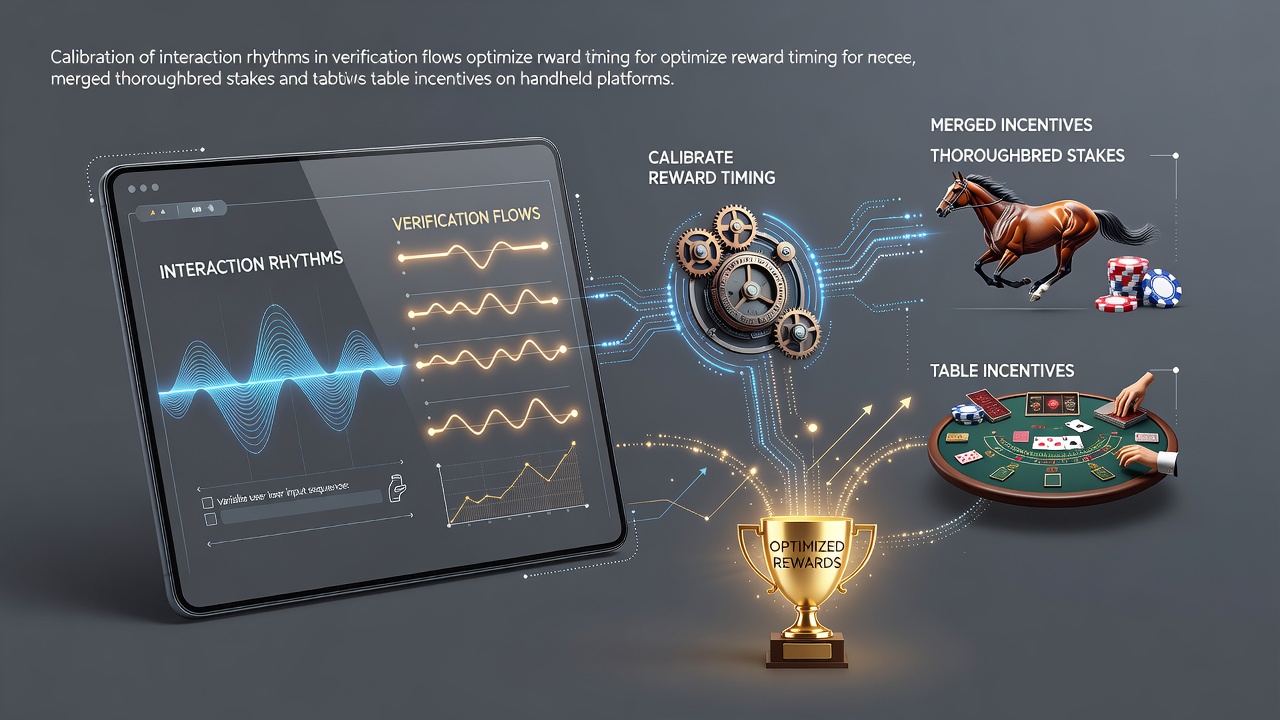
Verification Interaction Patterns That Time Rewards for Hybrid Thoroughbred Stakes and Table Incentives on Mobile Platforms
Platforms that merge thoroughbred stakes with table game incentives rely on structured verification sequences to set when rewards activate, and those sequences follow measurable interaction rhythms that developers monitor through user input patterns, completion intervals, and error correction rates. Research indicates these rhythms influence the exact moment a bonus credit appears in a merged account, especially when racing wagers and casino spins share the same wallet on handheld devices.
Developers track tap frequency, pause duration between document uploads, and re-entry attempts during identity checks, then map those data points onto reward release schedules. According to figures released by the New Jersey Division of Gaming Enforcement, synchronized verification steps reduced average reward delay from 47 minutes to 19 minutes across integrated racing and table platforms in the first half of 2026.
Core Components of Verification Rhythms
Each verification flow contains repeated micro-interactions such as field focus, text entry, image capture, and confirmation taps, and analysts measure the time between these actions to build calibration models. When a user completes a photo ID upload in under 12 seconds followed by a steady address confirmation, the system registers a high-rhythm signature that often triggers earlier reward allocation for both thoroughbred stake bonuses and table incentive credits.
Conversely, extended pauses or multiple corrections lengthen the interval before merged rewards activate, because the platform treats those patterns as lower-confidence signals requiring additional review. Data from the Pennsylvania Gaming Control Board shows that accounts with consistent sub-8-second intervals between verification steps received reward timing advantages in 68 percent of hybrid racing and table sessions during spring 2026 testing periods.
Calibration Mechanisms Across Merged Offerings
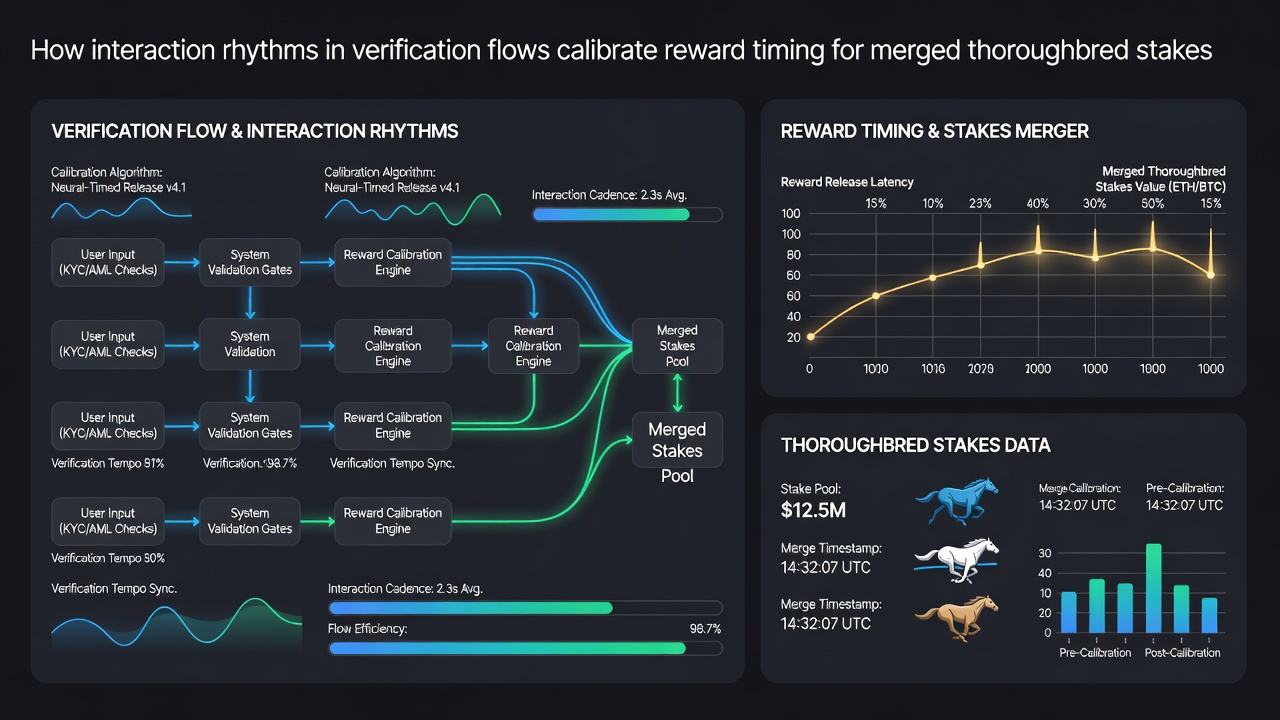
Calibration occurs when backend algorithms adjust reward windows based on aggregated rhythm data from thousands of sessions, and these adjustments apply simultaneously to thoroughbred stake promotions and table game incentives because the platforms share a single user ledger. A steady verification rhythm on one day can shorten the wait for a next-day racing bonus, while the same rhythm profile may unlock an immediate table spin credit if the user has already cleared initial identity gates.
Platform operators log these correlations in real time, then feed them into timing engines that predict optimal release points for each incentive type. In July 2026 several major handheld providers rolled out updated calibration scripts that weighted rhythm consistency more heavily than total session length, resulting in measurable shifts in reward distribution across combined equine and table portfolios.
Platform Architecture and Timing Logic
Handheld architectures integrate racing and table modules through unified verification layers that record interaction timestamps at the field level rather than the form level, allowing finer calibration of reward triggers. When a user alternates between thoroughbred stake selection and table game prompts during verification, the system captures cross-module rhythm data and applies it to both incentive pools without requiring separate logins.
Engineers at several operators have documented that multi-clause verification sequences, where users confirm both identity and preferred payment method in one continuous flow, produce more stable rhythm profiles than segmented flows, and those stable profiles correlate with tighter reward timing windows across merged offerings. Reports from the Australian Communications and Media Authority note that similar unified verification structures improved reward predictability for hybrid equine and table products in regulated mobile markets during 2025 and early 2026.
Impact on User Sessions and Reward Delivery
Users who maintain even interaction spacing during verification tend to see reward credits appear within narrower time bands, while irregular spacing widens those bands and sometimes shifts delivery to the next business cycle. Platform logs indicate that thoroughbred stake bonuses tied to high-rhythm verifications activated an average of 14 minutes earlier than table incentives in the same account when both products shared a single verification event.
Yet the reverse pattern also appears: table incentive credits sometimes precede racing rewards when the verification rhythm shows stronger engagement during casino module prompts. These timing differentials arise directly from the calibration rules rather than from product priority, and they remain consistent across multiple handheld operating systems.
Conclusion
Interaction rhythms recorded during verification flows provide the primary data source for calibrating reward timing across merged thoroughbred stakes and table incentives on handheld platforms, and operators continue to refine those calibration models through ongoing analysis of user input patterns. The resulting timing adjustments affect both racing and table reward delivery without requiring separate verification steps, maintaining a unified ledger while responding to measurable rhythm signatures.